Archivo de la categoría: Eventos

Trust Without Borders 2026 Speakers


The CSC Trust Without Borders Summit 2026 – Bogotá, Colombia (May 13–14, 2026) will bring together government representatives, regulators, policymakers, industry leaders, and business experts to discuss the future of digital trust and identity in Latin America and beyond

The summit focuses on interoperable digital signatures, digital identity, trust frameworks, and the policy and technical alignment needed to support secure cross-border digital services. Participants will explore emerging topics such as post-quantum readiness, trusted digital infrastructure, and global regulatory cooperation while connecting with the international community shaping the future of digital trust.
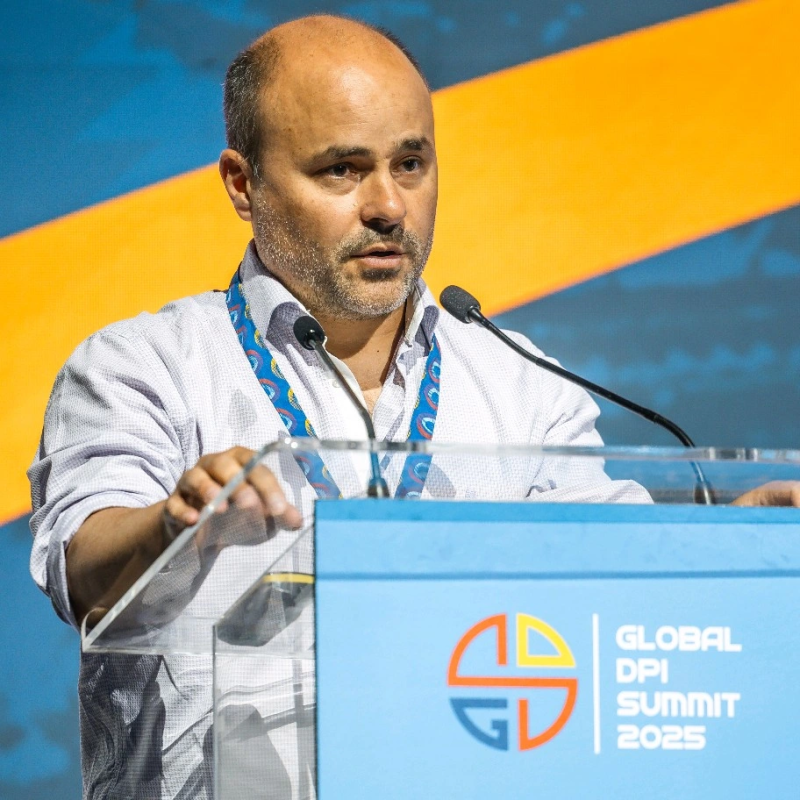
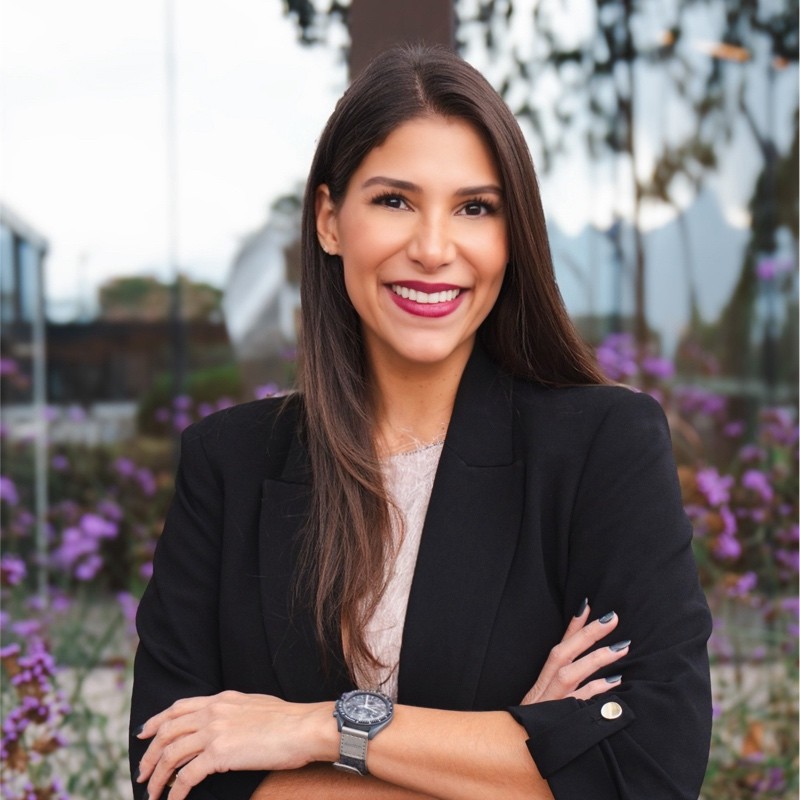
Viky Manaila

President | Cloud Signature Consortium

Viky Manaila is the President of the Cloud Signature Consortium and an internationally recognised expert in eIDAS, digital identity, electronic signatures and digital transformation. She has been instrumental in advancing secure electronic business and trusted services across Europe and globally. As former Chair of DTCE – Digital Trust and Compliance Europe and long-standing adviser to the European Commission, she contributed to the regulatory design and assessment of the eIDAS framework and its evolution toward eIDAS 2.0, shaping a secure and interoperable digital identity ecosystem for the Single Digital Market.

In parallel with her CSC presidency, Viky serves as Trust Services Director at Intesi Group, driving collaboration between industry, regulators and trust service providers to strengthen global digital trust.

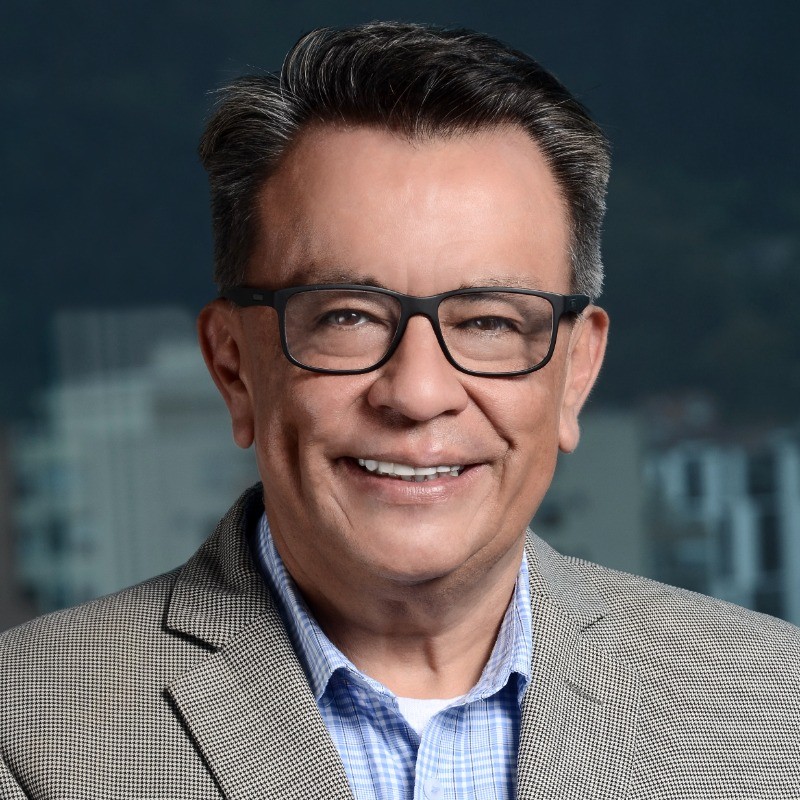
Alejandro Munévar

CEO | GSE

Alejandro Munévar is the CEO of GSE and an authority in digital transformation, with over 20 years of expertise at the nexus of finance and technology. He has spearheaded the conception and deployment of smart cities solutions in Latin America. Today, he champions solutions in critical sectors that strengthen digital citizenship, enabling secure transactions through digital identity and trusted platforms. His method unites strategic foresight and technological execution to develop digital ecosystems that are robust, streamlined, and user-focused.

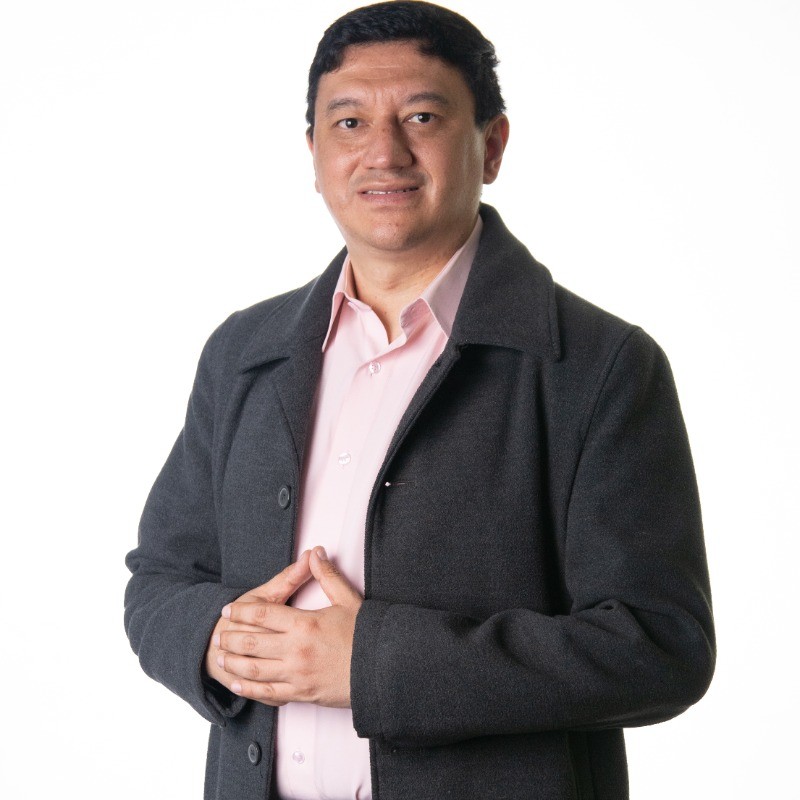
Admir Abdurahmanovic

SVP Strategy | Keyfactor

Admir Abdurahmanovic is SVP Strategy at Keyfactor, where he focuses on strategic planning, enterprise partnerships, and M&A activities in the field of digital trust. With a background spanning over three decades, he combines deep expertise in mathematics, computer science, and applied cryptography to address real-world challenges. Admir is a strong advocate for pragmatic, trust-based business relationships and high professional standards. 

He has played a key role in positioning organizations as leaders in PKI and cybersecurity. Passionate about innovation, he supports open source as a driver for quality and peer review, while maintaining a practical, results-oriented approach.

Andras Barsi

Aruba | Corporate Strategy and Regulatory Affairs

Andras A. Barsi is a senior executive specialised in C-level strategy, business development and legal tech. With over twenty years of international leadership experience, he has led companies in Europe, North America and the Middle East across sectors including financial services, utilities, e-commerce and government. He has held roles such as Acting Group CEO, Head of Strategy and Chief Strategy Officer, with a strong focus on digital identity, e-signatures, trust services and regulatory compliance.

Andras is recognised for building growth strategies, leading investor relations and advising organisations on secure digital transformation.

Andrea Sassetti

President | AssoCertificatori

Andrea Sassetti is the Chief Executive Officer of Aruba PEC S.p.A., Director of Trust Services and Head of Public Affairs at the Aruba Group. He has worked in the sector of qualified trust services, digital identity, and dematerialisation processes for over 24 years, contributing to the development of reliable digital solutions that comply with the main national and European regulatory frameworks. 

In his role as Head of Public Affairs, he oversees and coordinates the Aruba Group’s institutional relations activities, particularly those related to Trust Services, Cloud, and Data Centres. He engages in dialogue with authorities, industry associations, and stakeholders on matters concerning regulation, digital trust, and the evolution of infrastructure and cloud services. 

He is President of AssoCertificatori and a supporting member of ANORC, ETSI, ESD and the Cloud Signature Consortium. He actively participates in working groups on regulatory compliance, standardisation and interoperability of solutions at Italian and European levels.

Andrea Valle

Principal Product Manager | Adobe

Andrea Valle is a Principal Product Manager for Adobe Sign within Adobe Document Cloud, where he leads cross-functional teams across Engineering, Design, Product Marketing, and Legal to deliver digital signature and identity solutions aligned with customer needs and regulatory frameworks. He directs the Adobe Approved Trust List (AATL) Program and plays a key role in shaping strategic partnerships through the Cloud Signature Consortium. 

As Past President of the Cloud Signature Consortium, Andrea has actively contributed to advancing interoperability, standards adoption, and collaboration across the global digital trust ecosystem. He is a long-standing contributor to ETSI ESI standardization activities and has been directly involved in the development and review of key standards, including ETSI EN 319 142 (PAdES) and ETSI TS 119 432 (Remote Electronic Signature Protocols). He is also recognized as an expert in EU Regulation 910/2014 (eIDAS) and global electronic signature compliance

Anthony Kamers

Co-founder | Rubrix-lat

Anthony Kamers is the Co-founder of Rubrix-lat, a digital signature solution focused on interoperability in Latin America, and the founder of Zeruz IA. He also serves as a federal project manager for the Brazilian Digital Signature Standard (PBAD) and is the technical lead for high-impact national solutions, including Validar and AssinaGov.

Arno Fiedler

ETSI Working Group Electronic Signatures and Infrastructures Vice Chair

Arno Arno Fiedler joins the CSC Trust Without Borders Summit in his capacity as ETSI ESI expert, bringing more than 20 years of leadership in identity and trust service infrastructures. Founder of Nimbus Technologieberatung, he has advised numerous European institutions and trust service providers on the implementation of legal and technical frameworks including eIDAS, PSD2, DSGVO, VDG and CA/B Forum requirements.

Previously with Bundesdruckerei, Arno played a key role in shaping Germany’s trusted digitisation ecosystem. He publishes extensively on trust infrastructures and actively contributes to ETSI, CA/B Forum, Bitkom, TeleTrusT, ENISA and the board of the Secure Digital Identity Association

Carmine Auletta

Managing Director, Europe presso eMudhra

Carmine Auletta is Managing Director Europe at eMudhra and a seasoned executive with more than 20 years of international leadership experience across ICT, digital trust, innovation, regulatory affairs, and strategic transformation. Based in Italy, he has held senior leadership roles in organisations including InfoCert, Terna, Bain & Company, and the Cloud Signature Consortium, where he currently serves as Executive Board Member and Advocacy Committee Chair. Carmine brings extensive expertise in digital identity, trust services, compliance, and innovation-driven growth across global markets. He holds an engineering background and an MBA from Northwestern University’s Kellogg School of Management.

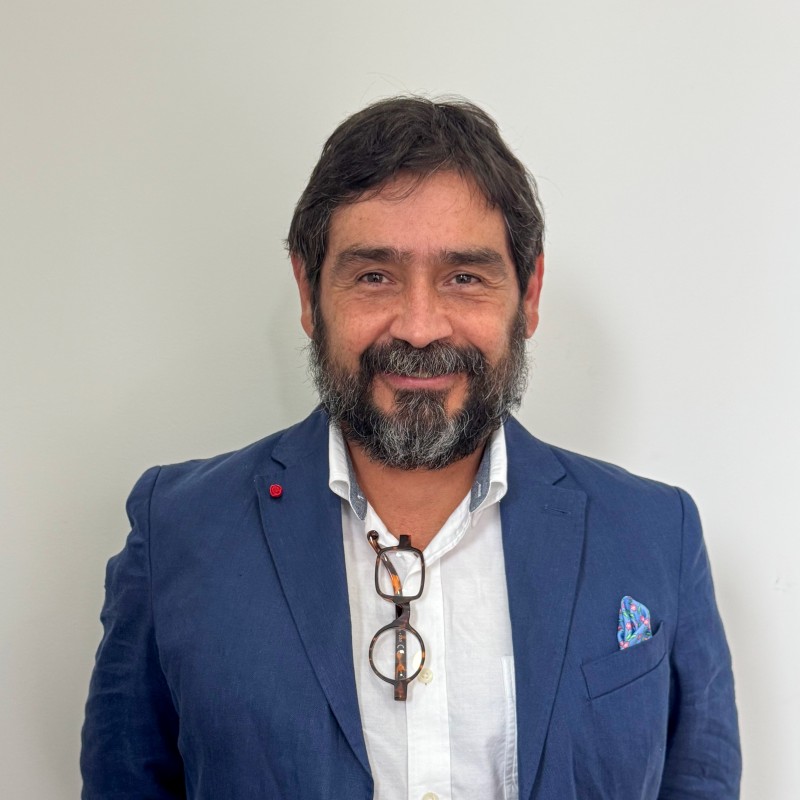
Daniel Rendon

EVP of Strategic Partnerships & Business Development | SSL.com

Board Member | Cloud Signature Consortium

Daniel Rendon is Executive Vice President of Strategic Partnerships and Business Development at SSL.com, a globally trusted provider of PKI solutions, cloud signing and identity trust services. In this role, he leads strategic growth initiatives, partnerships, enterprise sales and market expansion. With over 18 years of experience across digital media, technology, and enterprise solutions, Daniel brings a strong business-driven perspective to digital trust and secure online interactions. He joined SSL.com in 2020 as Product Manager before progressing into senior commercial leadership roles, including Head of Sales, where he oversaw sales, marketing, and complex enterprise implementations. Daniel is also a Board Member of the Cloud Signature Consortium, where he contributes to advancing interoperability, standards adoption, and collaboration across the global digital trust ecosystem.

David Kelts

Director of Digital Ecosystem Strategy | Decipher Identity

David Kelts is Director of Digital Ecosystem Strategy at Decipher Identity, LLC, with over 20 years of experience in digital identity, biometrics, and trust frameworks. He has played a key role in advancing mobile driver’s licenses (mDL) and identity ecosystems, including leading initiatives within ISO, the Secure Technology Alliance, and the FIDO Alliance. 

David has contributed to the development and deployment of interoperable identity solutions across public and private sectors, with a strong focus on privacy, standards, and user-centric design. A Certified Information Privacy Technologist, he is a recognized expert in digital trust, identity verification, and ecosystem strategy.

Donald D. Márquez

Academic Director | IDForo

Head of Business Development | Namirial

International consultant and project director with over 20 years of experience advising governments and companies on digital certification and secure digital transformation. 

He has led projects for the World Bank, the European Union, SICA, and U.S. cooperation agencies, supporting regulatory development and trust frameworks across more than 20 countries in Europe and Latin America. 

A lawyer with advanced degrees in international operations, project management, compliance, and an MBA from IESE Business School, he is also Professor at the University of Barcelona and Co-Founder & Director of IDForo, the leading Ibero-American platform on digital trust.

Edwin Cristancho Pinilla

Executive Director | Organismo Nacional de Acreditación de Colombia (ONAC)

Edwin Cristancho-Pinilla is Executive Director of the Organismo Nacional de Acreditación de Colombia (ONAC), where he leads Colombia’s national accreditation framework and oversees the institutional architecture that underpins quality, conformity assessment, and international recognition.   

With a background in economics and science and technology policy, he has held senior leadership roles across Colombia’s public innovation ecosystem, including Director of the National Institute of Metrology (INM) and Coordinator for Science, Technology and Innovation at the National Planning Department.   

Holding a PhD in Science and Technology Policy from the University of Sussex, United Kingdom, he brings a policy-driven perspective to standards, metrology, innovation governance, and the strategic alignment between accreditation, digital transformation, and international cooperation

Fábio Rego

Qualified Lawyer and Digital Trust Professional | Ascertia

Fábio Rego is a Qualified Lawyer and digital trust professional at Ascertia, specializing in electronic signatures, PKI, and trust services. With a strong focus on regulatory compliance, including eIDAS, he supports organizations in implementing secure, standards-based digital signature solutions that enable trusted digital transformation. Fábio combines legal expertise with technical and business insight, helping bridge the gap between law, technology, and innovation. He previously lectured in Digital Law at a Portuguese public university, reflecting his commitment to advancing knowledge in this evolving field. Passionate about secure digital ecosystems, he actively contributes to building trust in global electronic transactions.

Gertrudis Martínez

Executive Director & Co-Founder | ID Foro

Gertrudis Martínez is Executive Director, Board Member, and Co-Founder of ID Foro, a leading Ibero-American platform dedicated to advancing knowledge and collaboration around digital identity, electronic signatures, and digital trust services. In this role, she leads strategy and ecosystem development, coordinating ID Foro’s annual international summit and ID Day events, which bring together public authorities, industry leaders, and experts to foster dialogue on secure, inclusive, and interoperable digital transformation. 

Alongside her work at ID Foro, Gertrudis serves as Head of Marketing & Communication for Iberia and LATAM at Namirial, where she supports market positioning and stakeholder engagement across the digital trust ecosystem. She previously held senior roles in corporate affairs, institutional relations, and strategic partnerships at Uanataca and Bit4id, working closely with regulators, international organizations, and technology partners across Europe and Latin America.

Guillaume Forget

Cryptomathic | Executive VP

Guillaume Forget is Executive Vice President at Cryptomathic, leading global product and innovation strategy across key domains including digital identities and signatures, key management, mobile security and payment. With more than 20 years in the security and trust ecosystem, he has held senior leadership roles in Europe managing product portfolios, strategy execution, partner management and go-to-market development.

Guillaume is also a Board Member of the Cloud Signature Consortium, where he contributes to advancing interoperability and trust in digital ecosystems. He is recognised for his expertise in eSignature, eIDAS, cryptography and secure digital transformation.

Henry Suarez Martinez

CEO Colombia | Detecno

Strategically leads all activities related to technology, electronic invoicing, and regulatory compliance within companies. Possesses a combination of strong managerial skills, technological expertise, and in-depth knowledge of relevant industry regulations and standards.

Igor Marcolongo

Head of Business Evolution | Tinexta InfoCert 

Board Member | CSC 

Igor Marcolongo is a leading expert in digital identity, trust services and secure electronic transactions. As Head of Business Evolution at Tinexta InfoCert, he drives innovation by connecting products, markets, regulation and technology to shape scalable business models and strengthen Europe’s digital-trust ecosystem. With nearly two decades in trust services, he has helped advance eIDAS adoption, digital signatures and identity-driven services across major sectors. Igor also serves on the Boards of the Cloud Signature Consortium and AssoCertificatori, fostering collaboration between industry and regulators.

Jean Everson Martina

Associate Professor of Computer Science | Federal University of Santa Catarina (UFSC), Brazil

Jean Everson Martina is an Associate Professor of Computer Science at the Federal University of Santa Catarina (UFSC), Brazil. His work focuses on digital identity, electronic documents, interoperability, and trust services, combining applied cryptography, PKI, and large-scale public-sector infrastructures. Jean has extensive hands-on experience working with governments, regulators, and industry across Brazil and Latin America on qualified trust services, digital signatures, and cross-border interoperability initiatives aligned with frameworks such as eIDAS. He regularly advises public institutions and private providers on building scalable, interoperable, and future-ready digital trust ecosystems.

Johannes Leser

CEO, IDnow trust Services AB

Johannes Leser is Managing Director Trust Services at IDnow and a recognized expert in digital identity, trust services, and AML compliance. With more than 17 years of experience in electronic signatures, eIDAS-qualified trust services, and digital onboarding, he has played a leading role in shaping secure digital transformation initiatives across Europe. In parallel, he serves as CEO of IDnow Trust Services AB, the group’s certified Qualified Trust Service Provider in Sweden. Johannes is particularly active in the areas of eIDAS 2.0, EUDI Wallets, Qualified Electronic Signatures (QES), and verified credentials, helping organizations implement compliant and user-friendly digital trust solutions at scale.

John Jolliffe

Provider Relationship lead | eID Easy

John has more than two decades experience in roles spanning Regulatory Affairs, Strategic Partnerships and Product Management, working with companies across the digital identity and trust services arena. As Provider Relationship lead for eID Easy he oversees the development and expansion of the eID Easy marketplace, which brings together global eID, wallet and digital signature solutions for international customers.

José Fernando Medina T.

CEO | Tinexta Camerfirma LATAM

José Fernando Medina T., Industrial Engineer, Master in Finance and MBA, with over 30 years of experience in the technology sector leading sales, operations, and technology teams in Colombia, and experience opening markets in other Latin American countries. He has in-depth knowledge of the Latin American market for Software as a Service (SaaS) solutions, including products such as document management, omnichannel communication, digital marketing, data processing, electronic invoicing, biometrics, and trust services, among others. He is currently CEO of Tinexta Camerfirma LATAM.

Juan Pablo García Cairello

Digital Identity Manager | AGESIC

Juan Pablo García Cairello is a computer engineer specialising in information security, with more than 20 years of experience delivering ICT projects across Latin America. He is Digital Identity Manager at AGESIC (Uruguay’s Electronic Government Agency), where he leads the national PKI, the ID Uruguay digital identification platform, and firma.gub.uy. He works closely with multilateral organisations and regional digital government networks, including on the Latin American and Caribbean Digital Identification Model (IdLAC) and the “broker” model to standardise and integrate digital IDs across the region.

Kim Nguyen

Senior Vice President Innovation | Bundesdruckerei GmbH

Kim Nguyen is Senior Vice President Innovation at Bundesdruckerei GmbH, where he leads initiatives at the intersection of trusted AI, digital identity, quantum technologies, and digital sovereignty. With more than two decades of experience in cryptography and secure digital infrastructures, he has held senior leadership roles spanning security research, trusted services, and innovation strategy. Kim holds a PhD in Pure Mathematics with a focus on number theory and cryptography and has worked across academia, industry, and public-sector ecosystems. A frequent speaker and advisor, he focuses on translating European regulation and innovation into practical, secure solutions that strengthen digital trust and resilience across Europe

Leonardo Maldonado

Tech Partnership Director | GSE (Gestión de Seguridad Electrónica)

Leonardo Maldonado is Tech Partnership Director at GSE (Gestión de Seguridad Electrónica), Colombia’s leading digital identity and trust services provider. 

With over 20 years of experience in digital identity since 2004, Leonardo has pioneered critical projects, including biometric fingerprint authentication using Colombia’s national database for banks and notaries. 

He has championed cryptographic evolution, leading GSE’s implementation of the CSC API for cloud signatures and integration with Adobe Acrobat Sign. As local host for Trust Without Borders 2026, Leonardo brings deep expertise in digital transformation, PKI, and biometric authentication to advance interoperability and trusted digital services across borders.

Luisa Fernanda Vásquez

Bogotá Convention Bureau Manager | Invest in Bogotá

Luisa Fernanda Vásquez is a global-minded leader working at the intersection of business, cities, and international opportunities. With a background in Marketing and International Business, and graduate studies in leadership and strategy, she has built her career connecting people, institutions, and markets across borders. She has held strategic roles in Colombia’s public sector, where she contributed to strengthening the country’s tourism competitiveness and international positioning. Today, she leads the Bogotá Convention Bureau at Invest in Bogotá, where she focuses on attracting international events that not only bring visitors, but also drive investment, knowledge exchange, and long-term impact for the city. Luisa believes that events are not just moments in time, they are platforms to transform cities, industries, and connections.

Marcos Allende

Co-Founder and CEO | Blerify

Marcos Allende is the Co-Founder and CEO of Blerify, a platform than enables digital IDs and ID Wallets in Latin America and the Caribbean following eIDAS framework and ISO/IEC 18013 standard.
Marcos is Quantum Physicist who joined the Inter-American Development Bank (IDB) in 2017 and led as a specialists areas of blockchain, digital credentials, and quantum technologies. He is known by his pioneer work on quantum cryptography and blockchain, having developed the first end-to-end solution for quantum resistance in EVM-compatible blockchain networks, published in Nature’s magazine Scientific Reports in 2023 and feature as top100 Engineering Papers. 
Marcos served in leadership roles for more than 20 emerging tech projects in Latin America and the Caribbean, including the first bond tokenization in the region with the Central Bank of Colombia. Co-founder and former CTO of LACChain, the largest blockchain in LATAM. Post-grad studies in Quantum Computing & Cryptography at MIT, and Finance & Management at LSE. Marcos has also contributed to 25+ publications in collaboration with IDB, WEF, and other global thought leaders.

Markus Vesely

CEO | A-Trust GmbH

Markus Vesely is CEO of A-Trust GmbH, Austria’s leading trust service provider, where he oversees the development of secure digital identity, authentication, and signature solutions used across the public and private sectors. With a background spanning technology, strategy, and business leadership, Markus brings extensive experience in regulated environments and large-scale digital transformation. Prior to A-Trust, he held senior roles at Rohde & Schwarz and Frequentis AG, working at the intersection of critical infrastructure, cybersecurity, and innovation. His work focuses on building trustworthy, interoperable digital services that bridge regulatory requirements and real-world implementation.

Michael Rollin Wilson

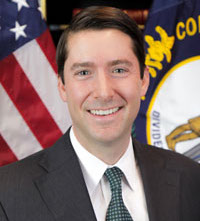
Director of Business Services & Deputy General Counsel | Kentucky Secretary of State

Michael is an attorney with over 20 years of experience in commercial law and public-sector administration. He oversees business filings, record authentications, and leads digital modernization initiatives, including e-Apostille technology for cross-border authentication of public documents. He brings a policy-driven perspective to digital identity systems, emphasizing legal recognition, fraud prevention, and the durable architecture of public trust. His work bridges law and technology, turning innovation into solutions that are legally recognized and widely adopted.

Michał Tabor

Board Member | Obserwatorium.biz

Michał Tabor is a Board Member at Obserwatorium.biz with hands-on experience delivering and scaling electronic signature solutions for public and private-sector use cases, supporting Trust Service Providers in the development and compliance of their services. He contributes to ETSI standardisation work focused on trust services and interoperability, and he has co-authored and contributed to ENISA publications on digital identity and trust services. His work bridges implementation reality with regulatory and standards requirements across the European eIDAS ecosystem.

Milton Quiroga

Cryptographer, Entrepreneur and Inventor

Milton Quiroga is a cryptographer, entrepreneur, and inventor with more than 20 years of experience driving early adoption of emerging technologies to optimize business processes. He has advised leading organizations across Latin America, supporting digital transformation from the early days of TCP/IP and the internet to blockchain, cryptography, and, more recently, quantum computing. Milton is the General Manager of Cyte and a Professor at Universidad de los Andes. He holds an MSc in Security from Carnegie Mellon University and specializes in information security, post-quantum cryptography, and secure cryptographic systems

Nestor Markowicz

COO, CERTISUR

Nestor Markowicz is Chief Operating Officer at CertiSur and a highly experienced digital security professional with more than 25 years of expertise in authentication, digital signatures, PKI, SSL, brand protection, and secure document management. Based in Argentina, he has played a key role in the development and deployment of digital trust solutions across Latin America, leading complex projects for financial institutions, public entities, and enterprise clients. Throughout his career at CertiSur, Nestor has combined deep technical knowledge with strong operational leadership, helping organizations implement secure and scalable digital ecosystems. He holds a background in Information Systems Engineering and remains actively engaged in advancing digital trust and cybersecurity innovation in the region.

Sebastian Elfors

CSO | IDnow Trust Services AB / ETSI / CEN / ENISA

Sebastian Elfors is Senior Architect and Chief Security Officer at IDnow, and a recognised expert in digital identity, electronic signatures, trust services, and cybersecurity standards. He brings more than two decades of experience working at the intersection of standardisation, architecture, and secure digital service deployment.

In his current role, Sebastian focuses on eIDAS2, Qualified Trust Service Providers (QTSPs), and the European Digital Identity Wallet (EUDI Wallet). He is an active contributor to leading international and European standards bodies, including ETSI ESI, CEN TC224, W3C, the FIDO Alliance, and the Cloud Signature Consortium, where he contributes to the CSC API specifications. He also serves as an external expert to ENISA, supporting work on digital identity, remote identity proofing, and EUDI Wallet certification.

Previously, Sebastian held senior technical and leadership roles at organisations such as Yubico and TrustWeaver, building deep expertise across PKI, authentication, identity wallets, and future-ready trust architectures. He is widely recognised for bridging regulation, technology, and implementation to deliver interoperable and secure digital trust solutions.

Sven Prinsloo

CTO (Signing and PKI) at Tinexta InfoCert | CSC Technical Committee Chair 

Sven Prinsloo serves as Technical Committee Chair at the Cloud Signature Consortium, where he plays a key role in shaping global standards for interoperability and trust in digital signatures and identity services.

In parallel, he is Chief Technology Officer at Ascertia, leading the development of secure digital platforms supporting enterprise-scale identity, signing and trust services. With more than a decade of experience in PKI, remote signing, cybersecurity and digital identity, Sven has held senior positions across product operations, engineering and technical architecture. He is recognised for aligning technology innovation with strategic business needs to enable resilient and secure digital ecosystems.

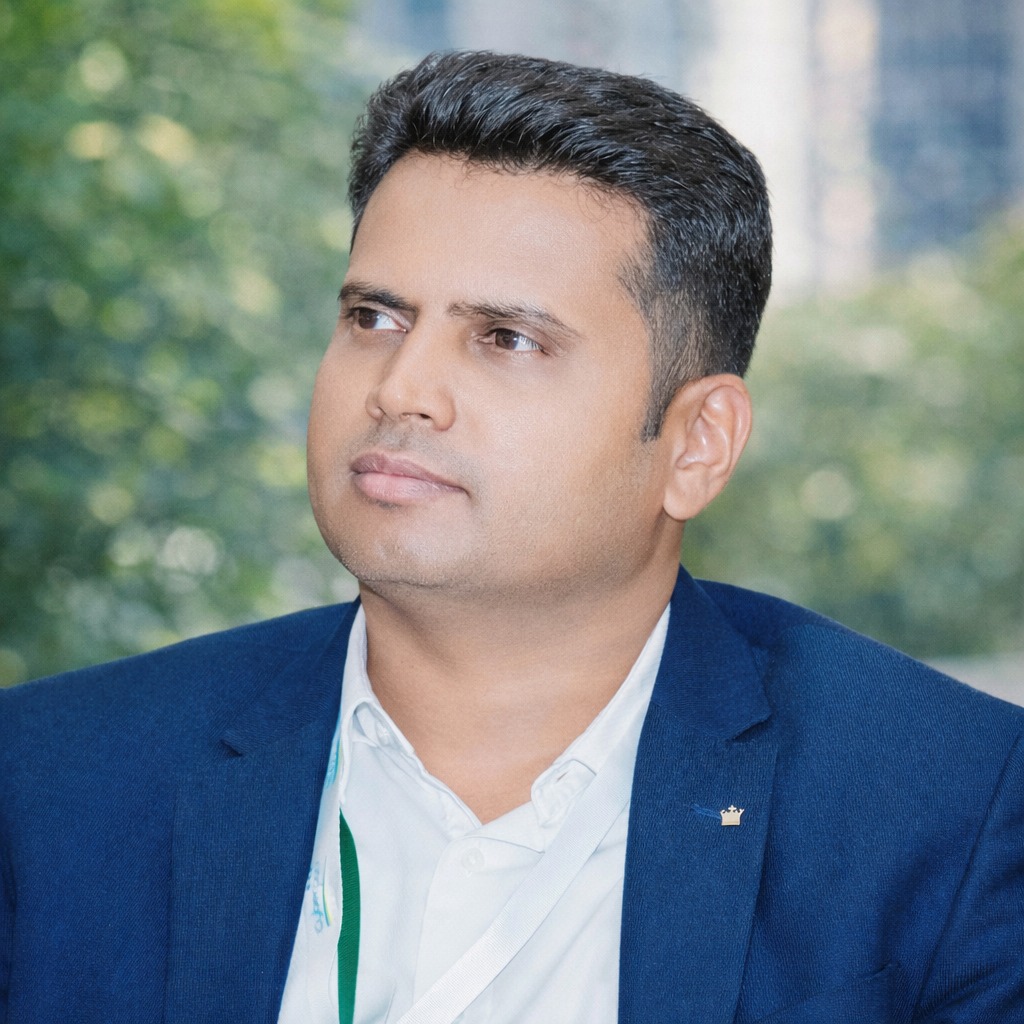
Vijayakumar Manjunatha

Secretary General | Asia PKI Consortium

Vijayakumar Manjunatha is a globally recognised expert in digital trust, public key infrastructure (PKI), and digital identity, with over two decades of experience in building and scaling secure digital ecosystems. As Secretary General of the Asia PKI Consortium, he brings together government authorities, regulators and industry leaders across regions to advance interoperability, mutual recognition and cross-border digital trust frameworks. 

Vijay has played a pivotal role in shaping foundational digital trust initiatives, including contributing to India’s Aadhaar-based eSign ecosystem and leading the development of a globally trusted Certifying Authority, enabling secure digital transactions at scale for web security. He has actively contributed to international standardisation and policy forums, including the CA/Browser Forum, FIDO Alliance, Cloud Signature Consortium and United Nations initiatives on cross-border trade and digital cooperation. He is also a member of India’s national standards body, where he chairs the panel on Digital Signatures, and collaborates with ETSI on the adoption of global standards across regions. 

In addition to his global engagements, Vijay advises governments and enterprises on digital identity, trust services, compliance frameworks and emerging areas such as post-quantum cryptography and digital public infrastructure. His work focuses on bridging policy, technology and real-world implementation to enable trusted and scalable digital economies worldwide.

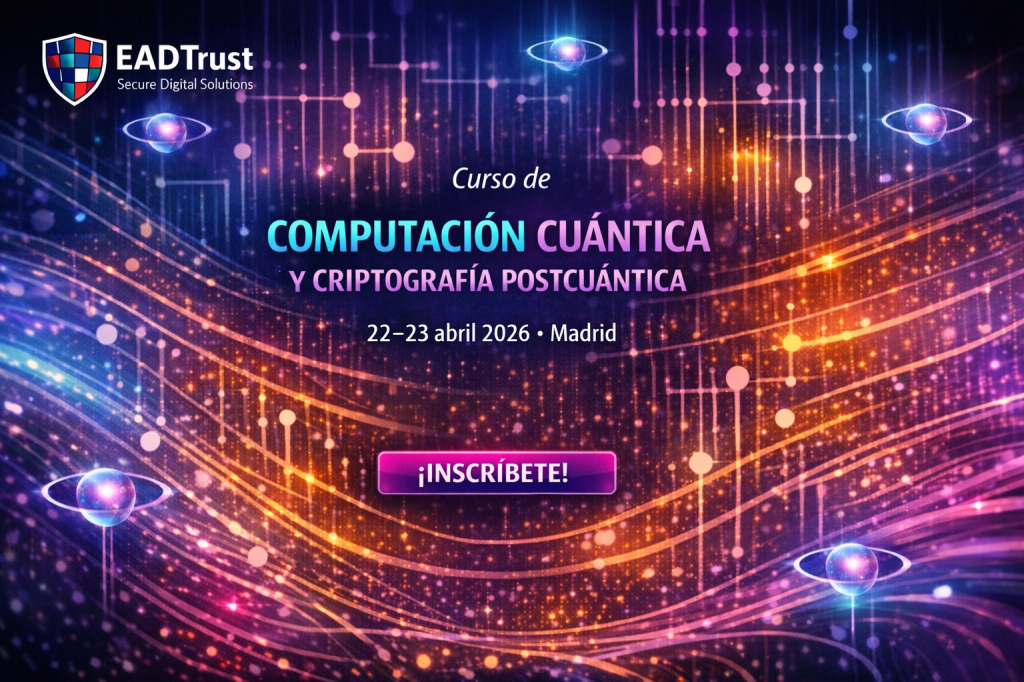
¡Nueva edición del Curso de Computación Cuántica y Criptografía Postcuántica de EADTrust! 22 y 23 de abril de 2026 – Madrid (Hotel Zenith Conde Orgaz)


La computación cuántica ya no es ciencia ficción. Los avances recientes (como el chip Majorana 1 de Microsoft o los estándares NIST ya publicados) están acelerando el llamado “criptocalipsis”: el momento en que los algoritmos actuales de cifrado (RSA, ECC…) podrán ser rotos por un ordenador cuántico. ¿Está preparada tu organización para proteger sus datos, firmas electrónicas, transacciones y sistemas críticos frente a esta amenaza real?

EADTrust, como Qualified Trust Service Provider (QTSP) líder en España, organiza la nueva edición presencial de su curso “Introducción a la Computación Cuántica y a la Criptografía Postcuántica”, los días 22 y 23 de abril de 2026 (de 9:30 a 17:30 h) en el Hotel Zenith Conde Orgaz de Madrid.

¿A quién está especialmente dirigido este curso?

Este curso está pensado para quienes toman decisiones estratégicas en ciberseguridad, tecnología, cumplimiento normativo y protección de activos críticos. No requiere conocimientos previos de física ni criptografía: está diseñado para perfiles directivos y técnicos que necesitan entender el riesgo y planificar la migración.

Empresas e instituciones a las que más interesa:

  • Entidades financieras, bancarias y aseguradoras (bancos, fintech, medios de pago, seguros): para proteger transacciones, identidades digitales y activos financieros.
  • Administraciones públicas y organismos de defensa, seguridad e infraestructuras críticas: para cumplir con EIDAS 2.0, recomendaciones del CCN, ENISA y ETSI.
  • Empresas tecnológicas, telecomunicaciones y proveedores de servicios estratégicos: que gestionan PKI, firmas electrónicas o datos sensibles.
  • Sectores regulados como salud, energía, industria 4.0 y legaltech: donde la confidencialidad y la integridad a largo plazo son esenciales.
  • Responsables de ciberseguridad, CIOs, CTOs, DPOs y equipos de cumplimiento: que deben diseñar hojas de ruta de criptoagilidad y migración a PQC.

Si tu organización maneja información sensible, certificados digitales, firmas electrónicas o sistemas que deben seguir siendo seguros durante décadas, este curso es para ti.

¿Qué vas a aprender en dos días intensivos?

  • Día 1 (nivel introductorio): Historia de la física cuántica, qubits, superposición, entrelazamiento, puertas cuánticas y circuitos. Práctica real con el IBM Quantum Composer.
  • Día 2 (nivel avanzado y aplicado): Algoritmos cuánticos (Shor, Grover…), impacto en la criptografía actual, “criptocalipsis”, estándares NIST (ML-KEM, ML-DSA, etc.), hoja de ruta europea y del CCN, estrategias de migración híbrida y criptoagilidad.

Todo con la metodología ENSAR (Experience, Name, Speak, Apply & Repeat), material didáctico completo (incluido el IQC Kit), ejercicios prácticos, casos reales y ponentes expertos: Jorge Christen, Julián Inza, Ainhoa Inza y Antonio Peris.Incluye: certificado oficial de asistencia, comidas y pausas-café durante las dos jornadas.

Precio y descuentos

  • Precio general: 900 € + IVA
  • Descuento especial (hasta 25 %) para clientes de EADTrust o referenciados → hasta el 18 de abril de 2026.
    Solicita tu oferta personalizada.

¿Cómo inscribirte?

Plazas limitadas.
→ Rellena el formulario oficial aquí:
https://www.eadtrust.eu/formulario-curso-computacion/

O llama al 917 160 555 para más información.

No esperes al último momento. La transición a criptografía postcuántica es un proceso que lleva años y los plazos regulatorios (2026-2030-2035) ya están encima.

¿Quieres que tu organización esté preparada antes que la competencia?
Reserva tu plaza ahora y da el primer paso hacia la criptoagilidad real.

¿Tienes dudas o quieres que tu equipo asista en grupo? Escríbenos a contacto@eadtrust.eu (mailto:contacto@eadtrust.eu) o comenta abajo.

#ComputacionCuantica #CriptografiaPostCuantic #Ciberseguridad #CriptoAgilidad #EADTrust #PQC #QuantumSafe

Congreso del Observatorio de Derechos Digitales: Una mirada multidisciplinar a los derechos digitales


La Universidad Pontificia Comillas (ICADE) organiza los días 22 y 23 de abril de 2026 el Congreso del Observatorio de Derechos Digitales, bajo el título “Una mirada multidisciplinar a los Derechos Digitales”, en el que me han invitado a participar.

El evento se celebrará de forma presencial en el Auditorio del Espacio de Investigación y Transferencia de la universidad, ubicado en la calle Rey Francisco 4, Madrid.

El congreso, dirigido por los profesores Íñigo A. Navarro Mendizábal (Codirector del Observatorio Legaltech Garrigues-ICADE) y Ricardo Pazos Castro (Director del Centro Internacional de Investigación Jurídica Comillas-ICADE), tiene como objetivo principal analizar desde una perspectiva interdisciplinar los principales desafíos jurídicos y sociales que plantean las tecnologías digitales en la actualidad. Se abordarán cuestiones relacionadas con los derechos fundamentales en el entorno digital, con especial atención a su dimensión multidisciplinar.

Información práctica

  • Fechas y horario: 22 de abril de 2026 (inicio a las 09:00 h) y 23 de abril de 2026 (cierre a las 13:15 h).
  • Lugar: Auditorio del Espacio de Investigación y Transferencia, Universidad Pontificia Comillas, C/ Rey Francisco 4, Madrid.
  • Formato: Exclusivamente presencial.

La inscripción estará abierta desde el 27 de marzo de 2026 a las 08:00 h hasta el 21 de abril de 2026 a las 14:00 h.

Se recomienda formalizar la inscripción a través del formulario disponible en la página oficial del evento, accesible en el siguiente enlace:
https://eventos.comillas.edu/151346/detail/congreso-del-observatorio-de-derechos-digitales-una-mirada-multidisciplinar-a-los-derechos-digitale.html

Este congreso representa una oportunidad para académicos, profesionales del derecho, responsables de políticas públicas y expertos en tecnología interesados en el análisis riguroso de los derechos digitales. La organización corresponde a la Facultad de Derecho de la Universidad Pontificia Comillas en el marco del Observatorio de Derechos Digitales.

Para más detalles sobre el programa definitivo, ponentes y agenda, se recomienda consultar la página web del evento, donde se publicará la información actualizada a medida que se acerque la fecha de celebración.

Si su actividad profesional o académica está relacionada con el derecho digital, la protección de datos, la ciberseguridad o la regulación de las tecnologías emergentes, este congreso constituye un espacio relevante para el intercambio de conocimiento y la reflexión conjunta.

El Programa (sujeto a cambios), es el siguiente:

22 de abril – mañana

09:00-09:15. Recepción de los participantes

09:15-09:30. Bienvenida

Abel Veiga Copo, Decano de la Facultad de Derecho, Universidad Pontificia Comillas (ICADE)
Pendiente de determinar, Red.es
Íñigo A. Navarro Mendizábal, Profesor Propio Ordinario, Universidad Pontificia Comillas. Codirector del Observatorio Legaltech Garrigues-ICADE

Primer bloque. LegalTech: identidad digital, privacidad y ciberseguridad
Modera Íñigo A. Navarro Mendizábal
Codirector del Observatorio Legaltech Garrigues-ICADE

09:30-09:55. Derechos del ciudadano frente a la IA generativa: El Reglamento de Inteligencia Artificial y el Reglamento General de Protección de Datos.
Alejandro Padín, Socio de Garrigues, responsable del área de Economía del Dato, Privacidad y Ciberseguridad

09:55-10:20.   Arquitectura y Servicios de Confianza para una Identidad Digital Europea Centrada en el Usuario.
Julián Inza, Presidente de EADTrust

10:20-10:45.Debate

10:45-11:10.   Pausa café

Segundo bloque
Modera Andrés Chomczyk Penedo
Investigador posdoctoral, Universidad Pontificia Comillas

11:10-11:35.   Título por determinar
Edoardo Celeste, Associate Professor, Dublin City University

11:35-12:00. La responsabilidad civil por daños causados por productos defectuosos. En especial, la inteligencia artificial.
Ana I. Berrocal Lanzarot, Profesora Contratada Doctora (acred. a Profesora Titular) de Derecho Civil, Universidad Complutense de Madrid

12:00-12:25.Debate

12:25-12:30.   Pausa

Tercer bloque. La disrupción tecnológica en el ámbito laboral.
Modera Ana Belén Muñoz Ruiz.
Profesora Titular (acred. a Catedrática) de Derecho del Trabajo y de la Seguridad Social, Universidad Carlos III de Madrid

12:30-12:55.   ¿Neuroderechos laborales o Derechos Fundamentales aumentados?
Jesús Mercader Uguina, Catedrático de Derecho del Trabajo y la Seguridad Social, Universidad Carlos III de Madrid

12:55-13:20.   La irrupción de la IA en el ámbito retributivo.
Ana Matorras Díaz-Caneja, Profesora Propia Ordinaria, Universidad Pontificia Comillas

13:20-13:45.Debate

13:45.              Comida

22 de abril – tarde

Primer bloque. Autoprotección, y protección de los vulnerables.
Modera Myriam Cabrera Martín
Directora de la Cátedra de Derechos del Niño

16:00-16:25.   Nuevos hábitos y cultura en la época de la IA
Jaime García Chaparro, Senior AI Engineer, Devoteam

16:25-16:50.   Derechos de la infancia en el entorno digital
Laura Barroso Gonzalo, Investigadora predoctoral, Universidad Pontificia Comillas

17:15-17:40.Debate

17:40-17:45.   Pausa

Segundo bloque. Protección penal de la identidad y la intimidad en el entorno digital
Modera María Quintas Pérez
Profesora Ayudante Doctora, Universidad Pontificia Comillas

17:45-18:10.   La suplantación de identidad digital.
M.ª Eugenia Sanmartín, Magistrada del Tribunal de Instancia de Navalcarnero

18:10-18:35.   Delitos contra la intimidad en el entorno laboral ligados a la vigilancia del uso de dispositivos digitales facilitados por el empleador.
Javier Gómez Lanz, Profesor Propio Ordinario, Universidad Pontificia Comillas

18:35-19:00.Debate

19:00.             Fin de la primera jornada

23 de abril – mañana

Primer bloque: Transformación digital y fiscalidad
Modera Francisco Javier Alonso Madrigal
Codirector de la Cátedra Deloitte Legal de Tributación Empresarial

09:30-09:55.   La digitalización y el papel de la inteligencia artificial en la AEAT
Javier Hurtado, Inspector de Hacienda en AEAT
Carlos Serrano, Socio de Deloitte Legal

09:55-10:20.   Desafíos futuros. La inteligencia artificial y el principio de buena administración “digital”
Elena Martínez Pastor, Counsel Deloitte Legal

10:20-10:45.Debate

10:45-11:15.   Pausa café

Segundo bloque. Investigación digital y cooperación judicial en el ciberespacio: una perspectiva procesal
Modera Marta Gisbert Pomata
Profesora Propia Ordinaria, Universidad Pontificia Comillas

11:15-11:40.   El ciberpatrullaje en el ciberespacio y la externalización del law enforcement
Juan Carlos Ortiz Pradillo, Profesor Titular, Universidad Complutense de Madrid

11:40-12:05.   Cooperación judicial y acceso transfronterizo a prueba electrónica
Elisabet Cueto Santa Eugenia, Profesora Colaboradora Asistente, Universidad Pontificia Comillas

12:05-12:30.Debate

Tercer bloque. Una mirada prospectiva desde la filosofía
Presenta M.ª Ángeles Bengoechea Gil
Profesora Propia Adjunta, Universidad Pontificia Comillas

12:30-12:55.   La persona en el Estado digital. ¿Sujeto de derechos sin circunstancias?
Vanesa Morente Parra, Profesora Colaboradora Asistente, Universidad Pontificia Comillas

12:55-13:15.Debate

13:15.             Clausura del congreso

Congreso del Observatorio de Derechos Digitales: Una mirada multidisciplinar a los Derechos Digitales

XII Congreso Internacional de derecho Digital de ENATIC.


Mañana, 25 de marzo de 2026, se celebra el XII Congreso Internacional de derecho Digital de ENATIC., en el que tengo el honor de participar.

Tendrá lugar en el Salón de actos de la Secretaría de Estado de Digitalización e Inteligencia Artificial
Calle del Poeta Joan Maragall, 41
28046 Madrid

Los Congresos Internacionales de Derecho Digital de ENATIC nacen tras el impulso del I Encuentro Nacional de Abogados TIC en el X Congreso de la Abogacía Española (Cádiz, 2011), germen de la asociación y de su vocación por articular una comunidad profesional especializada en Derecho y tecnología.

Desde entonces, ENATIC ha consolidado un espacio anual de referencia donde se encuentran juristas, reguladores, académicos y expertos tecnológicos para debatir los retos jurídicos de la transformación digital.

A lo largo de sus diversas ediciones, los Congresos ENATIC han servido para:

  • Definir y consolidar la figura del abogado digital, impulsando su profesionalización y visibilidad.
  • Actualizar a la comunidad jurídica sobre los grandes vectores tecnológicos: IA, blockchain, robótica, cloud, big data, fintech, legaltech, ciberseguridad y derechos digitales.
  • Crear comunidad, fomentando el intercambio de conocimiento y el networking entre perfiles diversos del ecosistema jurídico-tecnológico.
  • Posicionar a ENATIC como interlocutor relevante en los procesos de transformación digital del país.

Programa

9:15-9:30 Inaguración institucional

Participan: SEDIA, CGAE, Red.es, AESIA y ENATIC

Participan:
Belén Arribas Sánchez · Presidenta de ENATIC
David de Francisco Marcos
 · Subdirector General de Fomento y Regulación de la Inteligencia Artificial
Juan Miguel Márquez
 · Subdirector Adjunto de Estrategia del ONTSI, Red.es

9:30-10:15 Carta de Derechos Digitales, 5°Aniversario: Logros, Retos y Soluciones

Modera:
Rodolfo Tesone Mendizábal – Presidente emérito y vocal de ENATIC

Participan:
Carlos Alberto Sáiz Peña · Vicepresidente, ISMS Forum Spain
Paula Ortiz López · Directora general, DENAE
Miguel Recio Gayo · Presidente, APEP·IA
Antonio Serrano Acitores · Vocal de ENATIC
Borja Adsuara Varela · Abogado y consultor en derecho digital

10:15-11:00 Inteligencia artificial: derechos y responsabilidad ante un nuevo paradigma

Modera: José Manuel Muñoz Vela · Vocal de ENATIC

Participan:
Moisés Barrio Andrés · Letrado del Consejo de Estado
Ibán García Blanco
 · Director internacional, Lasker
Carmen Muñoz García · Catedrática (acr.) de Derecho civil, UCM
Alfredo Muñoz García · Prof. de Derecho mercantil, UCM; Legal Counsel, Tritemius; Of-Counsel, Ceca Magán

11:00-11:30 Pausa café
11:30-12:10 RGPD: ¿se puede simplificar sin perder garantías?

Modera: Eduardo López-Román · Vicepresidente de ENATIC

Participan:
Francisco Pérez Bes · Adjunto de la Agencia Española de Protección de Datos
Marcos Mª Judel Meléndrez
 · Abogado, socio de Audens
Noemí Brito Izquierdo
 · Abogada, socia de KPMG Abogados

12:10-12:40 Lorenzo Cotino Hueso · Presidente de la Agencia Española de Protección de Datos

Presenta: José Leandro Núñez García · Secretario General de ENATIC

12:40-13:30 Identidad digital y ciberseguridad: entre la regulación europea y su aplicación real

Modera: Pilar Garrido García · Vocal de ENATIC

Participan:
Maite Arcos Sánchez · Directora general, Fundación ESYS
Lucas Carmona Ampuero · Director de Identidad Digital Descentralizada, Teknei
Julián Inza Aldaz · Presidente, EADTrust

13:30-14:00 Ciberseguridad y el entorno geopolítico
Ramsés Gallego Iglesias 
· Presidente del capítulo de Barcelona de ISACA

Presenta: Esther García Encinas · Vocal de ENATIC

14:00-15:15 Comida
15:15-15:45 Menores y entorno digital: protección jurídica y retos actuales.

Modera: Laura Fra Rodríguez · Vocal de ENATIC

Participan:
Estefanía de Anta García · Directora de formación y operaciones de iCmedia
Celima Gallego Alonso · Magistrada, Plaza nº 29 de la Sección Civil del Tribunal de Instancia de Madrid
Nacho Guadix García · Responsable de Educación y Derechos Digitales de la Infancia de UNICEF España

15:45-16:30 ¿Justicia Artificial? El impacto de la IA en la Administración de Justicia.

Modera: Belén Arribas Sánchez · Presidenta de ENATIC

Participan:
Juan Antonio García Amado · Catedrático de Filosofía del Derecho, Universidad de León
Miguel Hermosa Espeso · Presidente de la Subcomisión de Justicia digital del CGAE
Javier Hernández Díez
 · Subdirector General de Impulso e Innovación de los Servicios Digitales de Justicia
Javier Sempere Samaniego · Delegado de Protección de Datos y Letrado del CGPJ

16:30-17:30 Legaltech en acción: herramientas y soluciones para la práctica jurídica

Modera: Blanca Bardin Rodríguez-Losada · Leader, Global LegalTech Hub Advisory Board

Participan:
Guadalupe Segura Campos · Gerente de la Delegación Sur, Lefebvre
Joaquín Castiella Sánchez-Ostiz · CEO, LexaGO
Alejandro Castellano Sans · CEO, Maite
Emilio Latorre Guerra · Product Manager Vincent, vLex

17:30-18:15 Derecho digital: tendencias y desafíos

Modera: Pablo Sáez Hurtado · Presidente de la Comisión Joven de ENATIC

Participan:
Ana Belén Barbero Castejón · Vocal de la Comisión Joven de ENATIC
Laura Gallego Herráez · Vocal de la Comisión Joven de ENATIC
Rodolfo Guerrero Martínez · Vocal de la Comisión Joven de ENATIC
Patricia Frade Ortea · Vocal de la Comisión Joven de ENATIC
Karol Andrea Valencia Jaén · Vocal de la Comisión Joven de ENATIC

18:15-18:45 Ceremonia de Entrega de los VII Premios ENATIC

Presenta: José Leandro Núñez García · Secretario General de ENATIC

para reconocen la excelencia y contribución al desarrollo del Derecho Digital:

  • Mejor jurista digital: Borja Adsuara Varela
  • Mejor institución: ISMS Forum Spain
  • Comunicación: Esther Paniagua
  • Innovación: Agencia Española de Supervisión de Inteligencia Artificial (AESIA)
  • Investigación: Lorenzo Cotino Hueso
  • Responsabilidad social: OdiseIA
18:45-19:00 Clausura

Participan: CGAE, SEDIA, Red.es, Consorcio, ENATIC

Webinar sobre tipos de firma electrónica


El próximo jueves 4 de diciembre de 2025 EADTrust desarrollará en LinkedIn un webinar sobre firma electrónica que servirá de presentación de nuestra plataforma «Signature Manager» y que permite gestionar documentos y firmas electrónicas de forma sencilla.

Anímate y reserva tu «slot» a partir de las 12:30 hora española (la de Europa central)

Aprendiendo computación cuántica y criptoagilidad


Los días 12 y 13 de noviembre de 2025, EADTrust organizó un evento formativo para que los alumnos puedan entender la forma en que el desarrollo de la física cuántica nos ha permitido llegar a programar ordenadores cuánticos que, entre otras muchas aplicaciones, permiten obtener las claves privadas a partir de las públicas en los sistemas de criptografía de clave pública más utilizados (con el afamado algoritmo de Shor). Hice un recordatorio hace unos días.

Todavía falta algún tiempo para el criptocalipsis pero es muy recomendable iniciar la transición a la criptografía postcuántica lo antes posible, especialmente a la vista de la amenaza «Harvest now, decrypt later».

Y de eso iba la segunda parte del evento: identificar las directivas y reglamentos europeos que establecen obligaciones en la mejora de la seguridad de las organizaciones, interpretando como cumplirlas, entre otras acciones llevando a cabo la adopción de la criptografía postcuántica, siguiendo las recomendaciones de diferentes organizaciones, incluyendo el Centro Criptológico Nacional.

Los alumnos procedían de diferentes sectores: despachos de abogados , organismos de la administración pública, empresa consultoras especializadas en ámbitos legales, prestadores de servicios de confianza,…

Y tuvieron ese efecto «Wow» que he ido anunciando a todos los que les comenté sobre la organización de este evento en las semanas previas a su realización.

Porque sin conocimientos previos de física se llegan a entender conceptos como la «superposición» y «entrelazamiento» de los qubits y como se utiliza la notación de Dirac al definir algoritmos cuánticos utilizando puertas simbólicas como la de Hadamard en el Quantum Composer de IBM.

La clave de este aprendizaje es la metodología ENSAR (Experience Name, Speak, Apply and Repeat) de Jorge Christen y las actividades de construcción de modelos representativos de conceptos cuánticos, como la esfera de Bloch, haciendo uso del IQC Kit de Jorge.

Ya estamos preparando la siguiente edición de este evento formativo, que tendrá lugar la última semana de febrero de 2026.

Nausika. Tecnología para el Bien Común


El pasado 17 de octubre de 2025 se presentó en Deusto Business School Campus Arrupe (en C/ Mateo Inurria, 39 – 28036 Madrid) la plataforma cívica Nausika.

Es una plataforma (Think Tank) que nace de la sociedad civil, y donde las personas que se incorporan lo hacen libremente, a título personal, y de forma desinteresada. Es independiente, porque se trata de una plataforma cívico-social, que no depende ni ideológicamente, ni económicamente, de ningún partido, institución, empresa, o asociación.

Su objetivo es impulsar la tecnología, la innovación y la industria como elementos esenciales de la prosperidad del conjunto de la sociedad española y europea y, en particular:

  • Impulsar la centralidad y el protagonismo de la inversión en innovación y la industria en el discurso social y en medios de comunicación
  • Defender en las instituciones europeas la necesidad de apostar por la innovación y la industria
  • Impulsar una visión de la importancia de orientar el desarrollo tecnológico y la innovación en las empresas a la creación de valor de forma sostenible en todos los grupos de interés (accionistas, empleados, clientes, proveedores…), y en el conjunto de la sociedad (“Tech for Good”)
  • Promover la colaboración entre las instituciones de la Sociedad Civil y las Administraciones Públicas en este ámbito.

Y ya han publicado varios artículos sobre ello.

En el evento del 17 de octubre, en el que también participaron otros invitados además de los miembros de Nausika, se presentaron algunas ideas claves del Think Tank:

09:00. Recepción y registro. 
09:30. Introducción y saludo. Pedro Mier (Presidente).
           Presentación del ‘Manifiesto por la Tecnología para el Bien Común’. Pedro Mier y Felipe Romera.
10:00. Conversación sobre Tecnología y Buenos Empleos. Antón Costas, María Helena Antolin y Unai Sordo.
10:30. Presentación del «Observatorio de la Tecnología y los Buenos Empleos. Sara de la Rica y Guillermo Dorronsoro.
11:00. Descanso.
11:30. Diálogos sobre Tecnología y Bien Común.

  • Seguridad. Jose María Lassalle y Emma Fernández.
    • Salud. Francisco Marín y Raquel Yotti.
    • Soberanía Estratégica. Xavier Castillo y Jordi García Brustenga.

13:00. Cierre y cóctel.

Roadshow de Ingram Micro sobre NIS 2 & DORA: Estrategias para la Seguridad y Cumplimiento. Sesión Barcelona.


El pasado 20 de febrero de 2025 participé en el «Roadshow de Ingram Micro sobre NIS 2 & DORA» que tuvo lugar en Madrid y ahora me han invitado de nuevo a dar la charla en Barcelona el próximo 10 de abril de 2025.

Un buen momento para actualizarse, dada la reciente publicación del Anteproyecto de Ley de Coordinación y Gobernanza de la Ciberseguridad, que, cuando se publique como Ley, será la transposición española de la Directiva NIS2 (Directiva (UE) 2022/2555).

Además, en octubre de 2024 se ha publicado el Reglamento de Ejecución (UE) 2024/2690 de la Comisión, de 17 de octubre de 2024, por el que se establecen las disposiciones de aplicación de la Directiva (UE) 2022/2555 en lo que respecta a los requisitos técnicos y metodológicos de las medidas para la gestión de riesgos de ciberseguridad y en el que se detallan los casos en que un incidente se considera significativo con respecto a los proveedores de servicios de DNS, los registros de nombres de dominio de primer nivel, los proveedores de servicios de computación en nube, los proveedores de servicios de centro de datos, los proveedores de redes de distribución de contenidos, los proveedores de servicios gestionados, los proveedores de servicios de seguridad gestionados, los proveedores de mercados en línea, motores de búsqueda en línea y plataformas de servicios de redes sociales, y los proveedores de servicios de confianza.

A raíz de la publicación de este Reglamento de Ejecución, el CCN ha anunciado que va a actualizar la Guía CCN-STIC 892 Perfil de Cumplimiento Específico para entidades en el ámbito de aplicación del Reglamento de Ejecución (UE) 2024/2690

Por otro lado, la normativa DORA (Reglamento de Resiliencia Operativa Digital) ha superado una serie de hitos que recientemente ha supuesto la obligatoriedad de cumplimiento para las entidades financieras:

  • 16 de enero de 2023: Entrada en vigor del reglamento.
  • 17 de enero de 2023 a 16 de enero de 2025: Plazo de dos años para que las entidades financieras cumplan con los requisitos establecidos.
  • 17 de enero de 2025: Las entidades financieras deben cumplir con los requisitos del reglamento.

En el evento participan, además

  • Barracuda
  • Hewlett Packard Enterprise
  • SonicWall,
  • Zerto.

XI Congreso Internacional de Derecho Digital ENATIC


Madrid acogerá el próximo 27 de febrero de 2025, la undécima edición del Congreso Internacional de Derecho Digital de ENATIC, en la que me han invitado a participar.

El congreso se celebrará en la sede del Consejo General de la Abogacía Española en Paseo de Recoletos 13 – 28004 Madrid y ya es posible inscribirse.

La cita reunirá a expertos de referencia y líderes en sus áreas de actividad en el ámbito del Derecho Digital, como inteligencia artificial, Blockchain, servicios y mercados digitales, ciberseguridad o privacidad.

Estructura de la jornada

9:00 Inaugración. Belén Arribas (Abogada y Presidenta de ENATIC). Participan Miguel Hermosa (Consejero adjunto a Presidencia CGAE), SEDIA, Red.es y ENATIC

9:30 Mesa redonda: Los Derechos Digitales para la nueva era. Modera: Rodolfo Tesone (Presidente emérito ENATIC)

  • Borja Adsuara
  • Ofelia Tejerina
  • Ramsés Gallego

10:15 Mesa redonda: Los Derechos Digitales y la IA. Modera: José Manuel Muñoz

  • Carmen Muñoz
  • Antonio Serrano
  • Belén Arribas

11:00 Pausa – Café

11:30 Mesa redonda: Protección de Datos. Modera: Esther García

  • Francisco Pérez
  • Joana Marí
  • Marcos Mª Judel

12:15 Mesa redonda: Ciberseguridad. Modera: Carlos Saiz

  • Francisco Lázaro
  • Daniel García

13:00 TBD- Enatic, ISMS, ESYS, ICMedia, Registradores

14:00 Comida Asamblea General

15:30 Mesa redonda: Identidad Digital (eIDAS2). Moderada por Pilar Garrido

  • Elena Gil
  • Lucas Carmona
  • Julián Inza

16:15 Mesa redonda: Legaltech. Modera: Carlos Fernández

  • Sara Molina
  • Ferrán Sala

16:45 Mesa redonda: Protección de menores de edad y Ciberseguridad. Moderada por Pilar Tintoré

  • Beatriz Izquierdo
  • Escarlata Gutiérrez

17:15 Modernización de la Justicia. Modera: Laura Fra

  • Miguel Hermosa
  • Ana de la Ser
  • Joaquín Delgado

18:00 Los Derechos Digitales y el Compliance. Leandro Núñez

  • Eloy Velasco
  • Concepción Campos

18:45 Clausura.

  • Belén Arribas
  • Rodolfo Tesone
  • Participan: CGAE, SEDIA, Red.es y ENATIC

Congreso Internacional «Desafíos pendientes en la digitalización de los mercados financieros (del 4 al 6 de marzo de 2025)


El Congreso Internacional «Desafíos pendientes en la digitalización de los mercados financieros» tendrá lugar los días 4, 5 y 6 de marzo de 2025 en el Salón de Grados de la Facultad de Derecho Universidad Complutense de Madrid.

Mi presentación, titulada «Seguridad Jurídica Preventiva Digital. Los servicios cualificados de confianza europeos EIDAS y EIDAS2” tendrá lugar el 4 de marzo.

Organizado en el marco del proyecto de investigación La digitalización de los mercados financieros (análisis jurídico) – PID2020-113447RB-I00, IP es la prof. Isabel Fernández Torres.

  • Dir. Isabel Fernández Torres, Catedrática (Ac.), UCM
  • Dir. Adjunta: Luz María García, UCM

Acceso libre hasta completar aforo.

Martes, 4 de marzo de 2025


9:00 Inauguración de las Jornadas
9:15 Ponencia inaugural: Miguel Ángel Fernández Ordoñez, ex – gobernador del Banco
de España


METAVERSO, IA, MACHINE LEARNING Y SU IMPACTO EN EL MUNDO JURÍDICO

9:45 Conferencia: “IA en el mercado financiero”, Isabel Fernández Torres, Universidad
Complutense
10: 45 Conferencia: “AI Regulation”, T. Bonneau, Univ. Paris II Panthéon-Assas


11:00 Mesa redonda. Modera Maite Martínez Martínez, Universidad Complutense

  • Almudena de la Mata (Blockchain Intellingence Law Institute): “Confluencia de IA y Blockchain en el Metaverso y los nuevos servicios financieros”
  • Julián Inza (Presidente EAD Trust): “Seguridad Jurídica Preventiva Digital. Los servicios cualificados de confianza europeos EIDAS y EIDAS2”
  • Noemí Brito (KPMG): “Ética Digital e IA Confiable”
  • Pedro Portellano (Universidad Autónoma de Madrid): “Decisiones financieras, inteligencia artificial y Business Judgment Rule”

12:00 Pausa-Café

DATOS

12:30 Conferencia: “Minería de datos”, Begoña González Otero, Max Planck for
innovation and competition (Munich).


13.00 Mesa redonda. Modera Antonio Alonso Bartol Bustos, Universidad Complutense

  • Luis Felipe López (UDIMA): “Protección de Datos”
  • Cristina Timón (Universidad de Murcia): “Identidad Digital”
  • Julio V. González (Universidad Complutense): “Transferencia internacional de datos”
  • Julia Suderow (Universidad de Deusto): “Big data: nuevos modelos y mala regulación”

14:00 Comida

15.30 Mesa redonda. INATBA
16.30 Comunicaciones


Miércoles, 5 de marzo de 2025


MERCADOS DE CAPITAL DIGITALES

9.00 Conferencia. Montserrat Martínez Parera, Vicepresidenta de la Comisión Nacional del Mercado de Valores
9.30 Conferencia, Francesca Romana Medda, “Sandboxes”, University College of London

10:15 Mesa redonda. Modera Javier Juste Mencía, Universidad Complutense

  • Nuria Fernández (Universidad de Alicante): “Protección al inversor”
  • Luz María García (Universidad Complutense): “Abuso de mercado y descentralización”
  • Konstantinos Sergakis (Glasgow University): “Democratizing Finance via AI: Investor Protection and Investor Engagement”
  • Juan Ignacio Peinado Gracia (Universidad de Málaga): “Sostenibilidad y digitalización”

11:45 Pausa/café

PRESENTE Y FUTURO DE LOS CRIPTOACTIVOS

12:15 Conferencia. Carmen Pastor, Universidad de Alicante

12.45 Mesa redonda. Modera Javier Megías López, Universidad Complutense

  • Cristina Guerrero (Universidad Complutense): “Taxonomía”
  • Alfredo Muñoz (Universidad Complutense): “Colocación y venta de tokens”
  • Emilio Díaz Ruíz (Universidad Complutense): “Transparencia en la promoción y colocación”
  • Rebeca Herrero Morant (Universidad de Zaragoza): “Algunos problemas jurídicos de los security tokens”

14.15 Comida

EURODIGITAL, TRIBUTACION Y BLANQUEO DE CAPITALES

16.00 Conferencia: Francisco Javier Priego, Secretario General del Banco de España

16.30 Conferencia: Joachim Wüermeling, former member of the Executive Committee Bundesbank, Partner Allen y Board Member Blockchain Intelligence

17.00 Mesa redonda. Modera: José Luis Colino Mediavilla, Universidad Complutense

  • José María López (Universidad de Málaga): “Proveedores de servicios de pago”
  • Xavier Codina (CUNEF): “Blanqueo de capitales”
  • Pablo Sanz Bayón (ICADE): “Comparativa CBDCs”
  • Rosa Galán (Universidad Complutense): “Tributación” DEFI, DAOS, P2P

18.15 Modera: Eva Recamán Graña, Universidad Complutense

  • Alfonso Martínez Echevarría (CEU): “Tokens de gobernanza”
  • Sagrario Navarro (UCLM): “DAOS”
  • Ana Muñoz (URJC): “DEFI”
  • Fernando Carbajo (Universidad de Salamanca): “NFT”

Jueves, 6 de marzo de 2025

9.00 DIGITALIZACION Y REGISTROS

NUEVOS DESAFIOS EN EL DERECHO BANCARIO

10.30 Conferencia: Rosa María Barresi, University of Florence

11.00 Conferencia: Alicia Muñoz Lombardía, Banco Santander

11:30 Pausa Café

12.00 Mesa redonda. Modera José Carlos González Vázquez, Universidad Complutense

  • Alberto Ruiz Ojeda (Universidad de Málaga): “Resolución y digitalización”
  • Mª Ángeles Alcalá (Universidad de Castilla la Mancha): “Digitalización y Buen Gobierno Corporativo”
  • Francisco Uría (KPMG): “PSD3”
  • Silvia Madrid (Unicredit): “Compliance”
  • Sofia País (Universidad Católica de Porto): “Prácticas anticompetitivas en el sector Bancario”

13.30 PONENCIA DE CLAUSURA: Montserrat Martínez Parera, Vicepresidenta de la
CNMV